


 Humans
 PUBLISHED


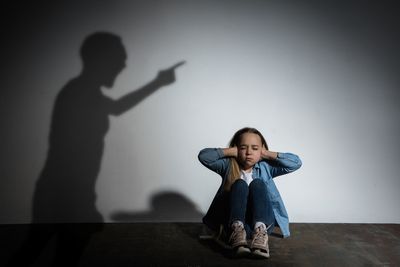


Verbal abuse of children should receive more recognition for the huge damage it can inflict, say researchers from the UK and US. Their new study calls for verbal abuse to be considered its own separate category of maltreatment, on a par with physical abuse, sexual abuse, and neglect.
The review of data from over 150 previously published studies was commissioned by charity Words Matter, which seeks to raise awareness of and combat the negative impact that verbal abuse from adults can have on children’s mental and physical wellbeing.
“It’s paramount to grasp the true scale and impact of childhood verbal abuse. All adults get overloaded sometimes and say things unintentionally. We have to work collectively to devise ways to recognise these actions and end childhood verbal abuse by adults so children can flourish,” said founder Jessica Bondy in a statement.
Currently, four classifications of child abuse are widely used. Three of these – physical abuse, sexual abuse, and neglect – are quite well-defined; the fourth, emotional abuse, is not. Although the broad category of emotional abuse does encompass verbal abuse, we lack a consistent definition of what this actually constitutes, not to mention agreed-upon terminology.
Using language that belittles a child, speaking in a threatening manner, or shouting can all be forms of verbal abuse, but individual parents and authorities differ in their thresholds for what is acceptable or not. There are also cultural norms that must be considered.
The study found that the vast majority of verbal abuse (76.5 percent) was inflicted by parents, followed by other caregivers and prominent adults in a child’s life, such as teachers and coaches. Some of the types of abuse that were logged included swearing at a child, name-calling, verbal putdowns, and yelling or screaming.
The researchers argue that defining verbal abuse as a distinct subtype of child abuse brings the focus back onto the perpetrators – i.e. the adults – and would hopefully be a springboard to better prevention strategies.
There’s lots of research to show the long-lasting impact that abuse and trauma can have on a child’s development and life chances. The World Health Organization estimates that 300 million children aged between 2 and 4 are regularly subjected to physical or psychological violence by their caregivers. In the face of a problem of this scale, the study authors feel that better recognition of the impacts of verbal abuse, specifically, is urgently needed.
“Childhood verbal abuse desperately needs to be acknowledged as an abuse subtype, because of the lifelong negative consequences,” said lead author Professor Shanta Dube, of Wingate University.
“We’ve seen tremendous strides in increased awareness and interventions targeting physical and sexual abuse perpetrators leading to the reduction in these forms of maltreatment. If we focus on ‘verbal abuse’ by perpetrators rather than just ‘emotional abuse’ among victims, we may develop similar actions to prevent childhood verbal abuse and its consequences.”
In their conclusion, the authors highlighted the wide variety of different behaviors that could come under the definition of childhood verbal abuse, as well as a need for more comprehensive research into the long-term impacts. Recognizing this type of abuse as a standalone category, worthy of equal attention, is a step towards helping children who are suffering this maltreatment.
As Bondy summarized, “Words have weight, they can uplift or destroy. Let’s build children up, not knock them down.”
The study is published in the journal Child Abuse & Neglect.




 8
8