Humans
 PUBLISHED




It’s a common sight in upmarket restaurants desperate to make the $40 steak seem worth it: “28-day matured beef”. In fact, most places selling meat will often advertise it as aged or matured, and meat enthusiasts will tell you that makes it significantly tastier. But why is that?
To a non-meat eater, 28-day-aged meat sounds like it would just be rotten. It doesn’t make much sense that leaving meat sitting for a month could ever be safe unless it is left in a freezer – but, done correctly, dry aging beef is not only perfectly safe, it can make the meat more tender and taste better.
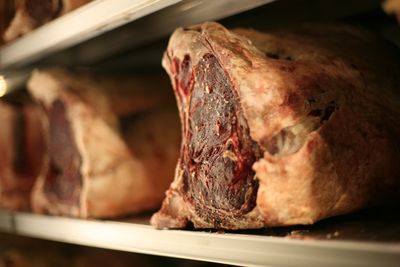
Dry aging is a traditional method of aging beef that involves hanging or placing the beef in a controlled environment with specific temperature, humidity, and air circulation conditions for an extended period. This process dates back a long time and allows the meat to naturally tenderize, without the use of other chemicals or preservatives.
Meat is hung and left so that the moisture is drawn out and enzymes in the meat begin to break it down. Microbes and fungi can interact with the meat as it is exposed to air, changing its flavor. Depending on preferences, this process can go on for a day or many months, changing how much muscle and connective tissue is denatured. This partially broken-down meat is more tender and as moisture leaves the meat, it supposedly concentrates the flavor, which many prefer and are happy to pay a hefty premium for.
Dry-aged beef typically has a characteristic black crust on the outside, but the inside remains red and soft. It is also favored for its more intense flavor and an altered mouthfeel, though this is once again a preference.
That isn’t to say that you can go out, buy a steak and then just hang it on the clothesline, though – do that and it’ll just go moldy. Dry aging requires careful humidity control to prevent the meat from being exposed to too much moisture, while temperature control stops bacteria from running rampant.
"Dry aged beef can be considered as safe as fresh beef if ageing is done for up to 35 days at a temperature of 3°C [37.4°F] or lower," the European Food Safety Authority announced in January 2023. "At higher temperatures mould might grow on the surface of dry aged meat and some of these moulds naturally produce mycotoxins - toxic compounds that can have harmful health effects."
If you want to do it at home, make sure you know exactly what you’re doing to prevent sickness – or, just leave it to the professionals and enjoy the end result.