


 Space and Physics
 PUBLISHED

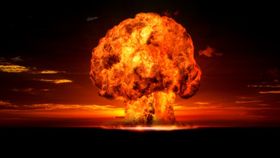


Pretty damn spectular it turns out.
On July 9th 1962, the U.S detonated a nuclear weapon, dubbed Starfish Prime, over 386,000 meters (240 miles) in the sky – with an explosive yield of 1.45 megatons, roughly 100 times stronger than the bomb dropped on Hiroshima.
The ‘controlled’ explosions were one of 5 suborbital tests conducted by the U.S during the Cold War and the nuclear arms race, as part the effects of nuclear weapons in high altitudes/outer space. Once detonated, the warheads generate not only heat and light, but incredible amounts of X- and gamma rays. Effects of the blast were felt thousands of kilometres away, and still resonant today.
In a short period of time, the effects of the bomb were felt from Hawaii to New Zealand, as planes experienced electrical surges, lamplights were blown out and a giant aurora bloomed in the sky. An electromagnetic field was created above the earth, far larger than scientists predicted, as electrons were excited and accelerated to incredible speeds.
Here's what it looked like:


