Space and Physics
 PUBLISHED
 2
2



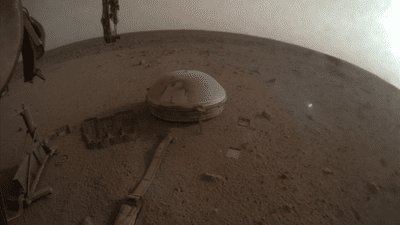


NASA’s InSight has revolutionized our understanding of what goes on inside of Mars. From detecting marsquakes to pinpointing new meteorite collisions on the Red Planet, the mission has gone far beyond expectation. Its planned duration was 709 sols (martian days) and it has now almost doubled that.
However, for the last several months, the lander has not been able to get enough power. Its solar panels are covered in dust, and despite attempts, it doesn’t come off. The power InSight is getting is less and less each day, and soon there won’t be enough to keep the seismometer and the rest of the basic instrumentation working.

The image, taken on October 30, shows the case of the seismometer on the ground. This might be among the last images we ever receive from InSight. The mission is now powering only the most sensitive of the seismometer arrays of sensors.
“We’re pushing it to the very end,” Liz Barrett, who leads science and instrument operations for the team at JPL, said in a statement.
The team believes the lander to have a few more weeks of power left.