Nature
 PUBLISHED


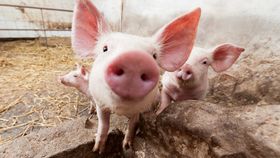


It’s widely known that pigs are relatively intelligent beings that possess some good decision-making skills. A new bit of research has suggested that these decisions are guided by the pig's optimistic or pessimist outlook. Most peculiar of all, the researchers say they can change the pig’s outlook based on how fancy their surroundings are.
Scientists at the University of Lincoln in the UK tested 36 pigs by separately offering them a choice of food bowls in fixed locations. One bowl contained sugar-coated candy and the other contained coffee beans, which apparently taste gross to pigs. They then introduced a separate third bowl into the mix that remained empty.
They observed whether the pigs approached the third feeding bowl expecting more sweets, another positive outcome, which would show how optimistic or pessimistic each pig was.
Their behavior showed a pattern that certain pigs were consistently more optimistic than others. However, when they were introduced into more luxurious surroundings (in pig terms, that means more straw and a larger area), the pigs were seen to become considerably more positive and optimistic when it came to exploring the third bowl.
By analyzing these pigs, the researchers hope to understand how mood, personality, and environment all intertwine, especially when it comes to their effects on animal behavior.
Project leader Professor Lisa Collins summarized in a statement: “In humans, mood and personality interact to determine cognitive bias but this was not something that had previously been investigated in any other animals. The results of our study clearly show that those pigs living in a worse environment were more pessimistic, and those in a better environment were much more optimistic.
“Importantly, this finding demonstrates that humans are not unique in combining longer term personality traits with shorter term mood biases when making judgments."
The full study has been recently published online in the Royal Society’s scientific journal Biology Letters.