Technology
 PUBLISHED
 3
3


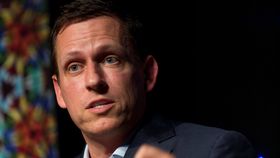


Peter Thiel, the controversial entrepreneur and long-standing advisor to Mark Zuckerberg, is stepping down from the board of Facebook’s parent company, Meta. According to some media reports, Theil is leaving the company to focus on politics with the aim of supporting Trump-aligned candidates for this year’s midterm elections.
In an announcement on Monday, Meta said Thiel — who has a net worth of £2.8 billion — has decided not to stand for re-election on Meta’s Board of Directors, effectively ending his position.
Among his many capitalist ventures in Silicon Valley, Thiel is perhaps best known as a co-founder of PayPal and the first outside investor in Facebook. He joined Facebook’s board in April of 2005 and has remained an influential voice throughout the company’s rollercoaster of ups and downs.
“Peter has been a valuable member of our board and I’m deeply grateful for everything he has done for our company,” said Zuckerberg in the announcement. “Peter is truly an original thinker who you can bring your hardest problems and get unique suggestions. He has served on our board for almost two decades, and we’ve always known that at some point he would devote his time to other interests.”
Meta did not provide a reason for Thiel’s departure, but anonymous sources speaking to the New York Times claim he made the decision so he can focus on the political activities ahead of the November 2022 US midterm elections.
Along with his work in tech and business, Thiel is known as one of the most vocal conservatives in Silicon Valley. He has donated millions to the Republican party, including generous financial support to Donald Trump’s 2016 presidential campaign. Last year, Thiel gave $10 million each to the campaigns of two former big Trump supporters, Blake Masters, who is running for a Senate seat in Arizona, and J. D. Vance, who is running for Senate in Ohio.
Thiel's political beliefs are often labeled as conservative-libertarian with an ardent commitment to personal freedom and a disdain for "big government." In one of his more notorious utterings, he declared in a 2009 essay: "I no longer believe that freedom and democracy are compatible.
"The fate of our world may depend on the effort of a single person who builds or propagates the machinery of freedom that makes the world safe for capitalism."
His exit from Meta comes at a time when the social media giant is facing mounting problems. Earlier this month, it was reported that Facebook's daily user base declined for the first time, marking an end to the relentless growth seen since the platform debuted 17 years ago. Also faced with competition from TikTok and an advertising privacy push from Apple, these troubles saw Meta’s shares fall by 23 percent in early February 2022.