Health and Medicine
 PUBLISHED


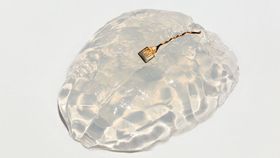


Paralyzed macaques with major spinal injuries were able to walk again less than six days after suffering their crippling lesions, thanks to a new system called a brain-spine interface. Using strategically placed electrical implants, the new technology bypasses the damaged region of the spine, allowing signals to travel between the brain and the legs.
In a statement, study co-author Grégoire Courtine explained that “this is the first time that neurotechnology restores locomotion in primates,” but warned that “there are many challenges ahead and it may take several years before all the components of this intervention can be tested in people.”
In the absence of major injuries, signals originating in the motor cortex of the brain are relayed down the spine to the lumbar region, which consists of a network of neurons that stimulate movement in the leg muscles. However, if there is a lesion in the spine, this communication can be disrupted, leaving the brain unable to communicate with the legs.
Researchers therefore placed an electrode array over the motor cortex of monkeys with spinal injuries, in order to record the signals originating in this part of the brain when the animals attempted to walk. This neural activity was then wirelessly transmitted to a control computer that used an algorithm to identify signals encoding muscle flexion and muscle extension.
Once these brain signals had been decoded, the computer relayed them to an electrode placed in the lumbar region of the monkeys’ spines, below the injury, which then electrically stimulated precise networks of neurons, causing the leg muscles to contract.
"The primate was able to walk immediately once the brain-spine interface was activated. No physiotherapy or training was necessary," says co-researcher Erwan Bezard.
The full study detailing the team’s work has been published in the journal Nature, and further research involving the brain-spine interface in humans has now been approved. Should these projects be successful, the system could represent a major step forward in the treatment of paralysis.