Space and Physics
 PUBLISHED


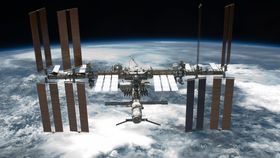


NASA is currently funding a study on the effects of herpes in space. At first glance, that may seem rather strange, but there is a good reason for the study.
It is already known that the reactivation of sleepy viruses inside the body increases during spaceflight. In a bid to both understand the risks posed to astronauts' health and discover new data relating to the mutation rates of persistent viruses like herpes under stressful environments, the space agency has awarded multiple grants, totaling around $80,000 (£55,656), to researchers at the University of Florida. The project is called the “Effect of Spaceflight on Herpesvirus Genome Stability and Diversity.”
“The fact that space flight is known to increase the frequency and duration of Herpesvirus reactivation sets up a biological environment for these reactivating and replicating viruses to mutate,” NASA explains in the study objective. A perfect field lab then.
Herpes, in all its forms, is one of the most common, life-long viruses among humans. The study will focus on four different types of the virus, including oral herpes and the one that causes chicken pox and shingles.
Using deep sequence analysis, which looks for variations in gene sequences, samples of the astronauts’ saliva and urine – taken before, during and after space flight – will be collected and studied to determine viral diversity and changes in mutation rates.
“In summary, the proposed study is a unique opportunity to examine the influence of space flight on the mutation rate and diversity of human persistent viruses and to assess the potential risk of virus mutations accumulating during long-duration missions,” NASA said.