Health and Medicine
 PUBLISHED


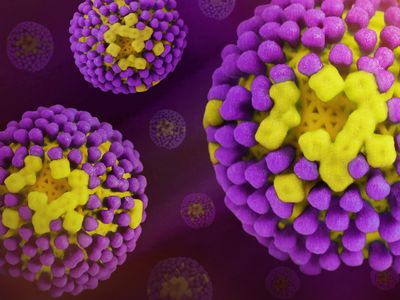


The first person known to have been infected with the H5N5 strain of avian influenza has died, the Washington State Department of Health announced Friday.
“Out of respect for the family’s privacy, we are not releasing their name, gender, or age,” reads a statement from the department. What is known is that the individual was an “older adult” with some preexisting health issues. After contracting the virus, which had never previously been recorded in humans, they had been receiving hospital treatment in King County.
The statement stressed that the risk to the general public remains low, and that no other people connected with the case have since contracted avian flu, although monitoring will continue.
There is, at this time, no reason to suspect that the H5N5 virus is capable of spreading from person to person. The same is true of the H5N1 highly pathogenic bird flu strain that caused the other 70 cases of human infection recorded in the US, and which has been causing infections in wild birds, poultry, dairy cows, and other mammals over the last couple of years.
Flu viruses are identified by two of their surface proteins, hemagglutinin (H) and neuraminidase (N). There are 18 possible H subtypes and 11 possible N subtypes, but the majority of possible combinations have only been seen in avian flu viruses. It is rare for these to spill over into humans, but cases do occur, as we’ve been seeing with H5N1. Those who work with or spend a lot of time close to wild or domestic birds are most at risk.
The Washington State Department of Health confirmed that the individual who recently died kept a backyard flock of a range of domestic birds. Avian flu testing of the flock came back positive, so it’s thought that the birds themselves, their environment, or visiting wild birds are the most likely source of exposure for this patient.
The US Department of Agriculture publishes guidance on symptoms of avian flu that those who keep birds should look out for, as well as tips on prevention.
The Washington State Department of Health also advised that people who are regularly exposed to wild or domestic birds should not skip their annual flu shot. “While the seasonal flu vaccine will not prevent bird flu infection, it reduces the risk of becoming sick with both human and avian influenza viruses at the same time,” they write.
This is especially important to help prevent the emergence of a recombinant flu virus with greater ability to infect humans – an event that, while unlikely, could push us closer to a flu pandemic.