


 Space and Physics
 PUBLISHED
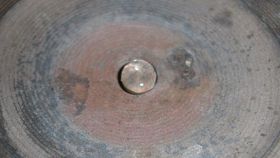


Don’t try this at home. Canadian chemist Muhammad Qureshi has taken the viral ALS ice bucket challenge to a whole new level by dumping a bucket of liquid nitrogen over his head. Though it’s extremely dangerous, the Leidenfrost Effect prevented him feeling the effects of freezing and frostbite. The effect occurs when a liquid, in near contact with a mass significantly hotter than the liquid's boiling point, produces an insulating vapor layer which keeps that liquid from boiling rapidly. You see the effect most easily when you cook. If you drop water in a pan heated to 100 °C (212 °F), it would hiss and evaporate quickly. If the temperature of the pan passes the Leidenfrost point, drops of water are insulated with a vapor layer. They form small balls and skitter around instead of evaporating quickly - that is until a much higher temperature is reached, preventing you from seeing the effect at all.
To see the Leidenfrost effect in action, check out Qureshi's ALS Ice Bucket Challenge below.
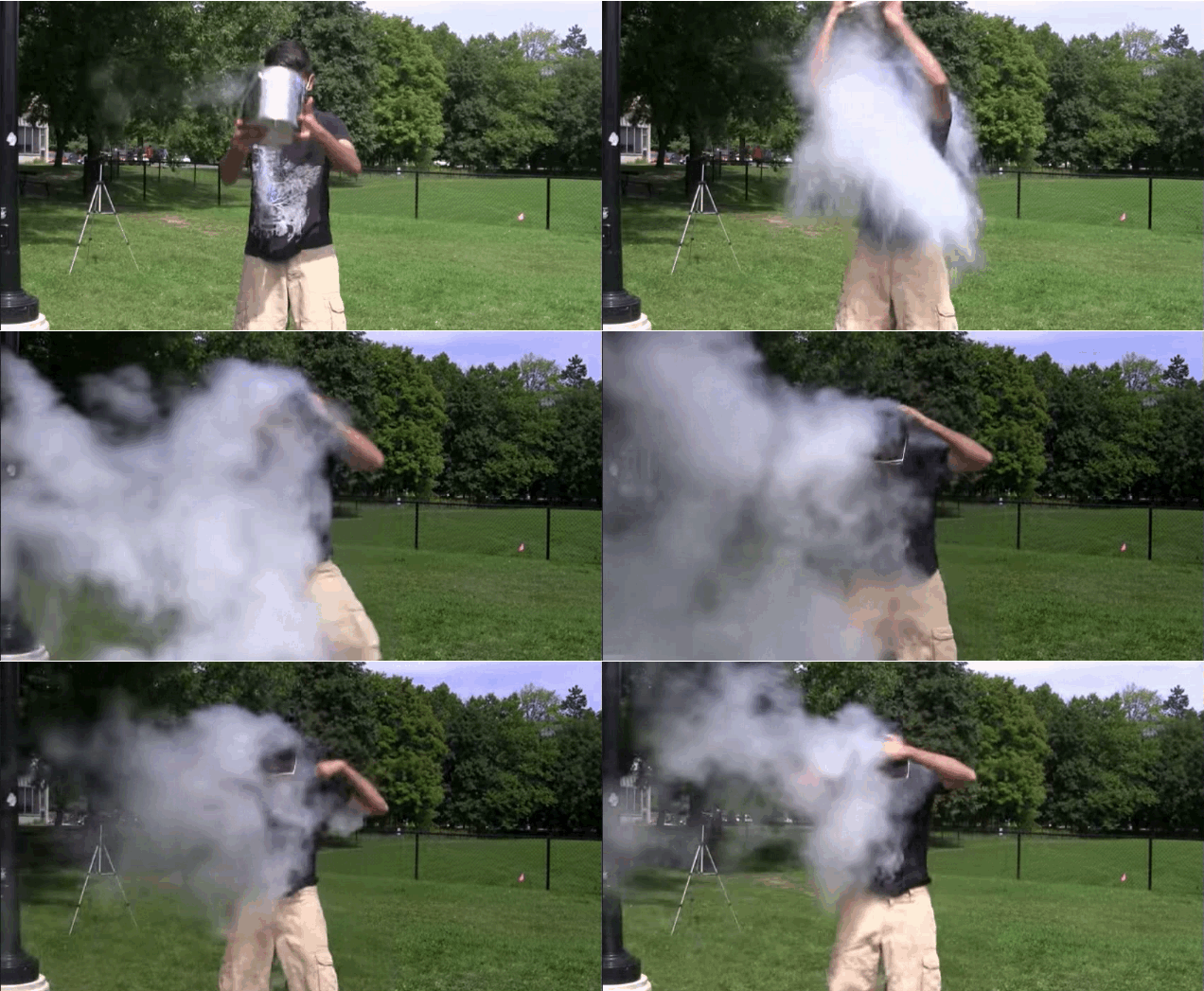
Image credit: Youtube


