Space and Physics
 PUBLISHED
 1
1



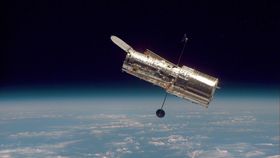


We can all breathe a big, cosmic, sigh of relief. After a month of being on safe mode, the Hubble Space Telescope is finally on the mend. The veteran observatory encountered a malfunction on June 13 when its payload computer stopped working. Since then NASA has been hard at work looking to find a solution to the problem.
On July 14, the space agency announced that they believed that the cause of the malfunction is to be found in the secondary protection circuit of the Power Control Unit (PCU). This circuit either is getting voltage levels below or beyond the acceptable level (so doing its job properly, hinting at some other problem) or it has degraded so much that is stuck in this safety state.
The ground team couldn’t reset the PCU, so the solution they settled on was switching to the backup side of the Science Instrument Command and Data Handling (SI C&DH) unit. Several tests took place in preparation for this switch, and given their positive outcome, NASA management had given its go-ahead for the switching operation that began on July 15. A day later, the switch has been successful and the team is now busy making sure everything is working fine. They will next get started on recovering the science instruments from their safe mode configuration.
There was certainly apprehension for this approach – a similar switch was conducted back in 2008 when another part of the SI C&DH, failed. The main difference is that the telescope received a servicing mission in 2009 that replaced the whole SI C&DH unit. No such mission is possible now without the space shuttle.
The space observatory is totally showing its age. Launched over 31 years ago, Hubble has taken over 1.4 million observations of the universe. The data collected by the telescope was used in over 18,000 scientific papers. Thanks to its keen eye, it has changed our understanding of planets, stars, galaxies, and the whole universe.