Technology
 PUBLISHED


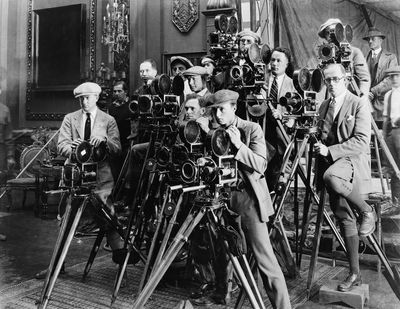


A new tool powered by artificial intelligence (AI) technology is looking to make family tree research and genealogical sleuthing a little bit easier. Simply plug in any old photograph and the AI-driven algorithm will be able to estimate the year it was captured.
Dubbed the PhotoDater, the tool has recently been rolled out by MyHeritage, an Israel-based genealogy platform that lets users explore their family history using photographs, historical records, and genetic data.
To use the tool, you’ll need a free MyHeritage account. It’s currently only available on desktop but it will be shortly rolled out onto the mobile app.
The algorithm behind PhotoDater was trained on tens of thousands of definitively dated historical photos taken between 1860 and 1990. By trawling through this data, the AI learned which characteristics – such as clothing, hairstyles, facial hair, furniture, and other objects – are associated with a particular time period.
It’s able to estimate the year the photograph was shot with fairly reasonable accuracy. An analysis of its abilities suggests the Photodater tool could provide an estimation of a photograph's date that was within five years of its actual date around 60 percent of the time. For each estimate, it will provide a confidence level and a certain margin for error in years.
This is just one way in which AI is helping to unearth more knowledge from the past. Back in 2020, a YouTuber used AI to revamp the world’s oldest-known surviving pieces of film footage, a short film called Roundhay Garden Scene shot in 1888.
AI is also helping with the academic research of human history. For instance, scientists recently used AI to identify a handful of "Nazca Line" geoglyphs that were carved in the deserts of southern Peru thousands of years ago.
AI is rapidly pushing the world into the future, but it's proving to be an invaluable tool for understanding the past too.