Nature
 PUBLISHED



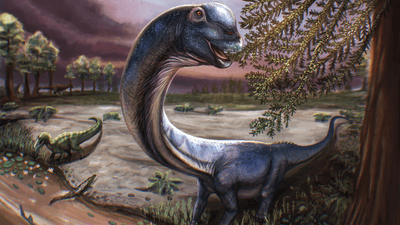


An incredible discovery at the edge of a pond in Thailand has led to the identification of the largest dinosaur ever found in Asia. Scientists are calling it “the last titan” because it was found in the region's youngest dinosaur-bearing rocks, dating between 100 and 120 million years old.
The beast’s species name is Nagatitan chaiyaphumensis. The first part of that is a hat tip to the “Naga Serpents”, mythological aquatic serpents in Thai and Southeast Asian folklore. “Titan” is in reference to its enormous size and the giants of Greek mythology.
The second part, chaiyaphumensis, means “from Chaiyaphum,” the Thai province where the fossils were discovered at the edge of a pond 10 years ago. Now that it has been formally identified, it becomes the 14th dinosaur to be named in Thailand, and the largest ever found in Asia.
N. chaiyaphumensis was a sauropod dinosaur. These plant-eating giants had long necks and ranged in size globally from lighter than a human to the largest terrestrial animals the planet has ever seen.
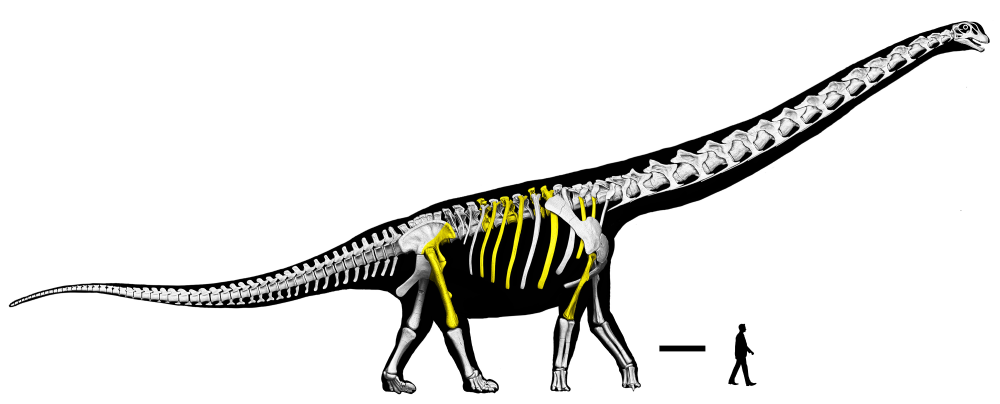
At 27 meters (88.6 feet) long and weighing 27 tonnes (29.7 tons) – about the same as nine adult Asian elephants – Nagatitan is a long way off the world’s largest, but it was still huge. So big, in fact, that it dwarfs one of the world’s most famous sauropods, which is currently on display at The Herbet Art Gallery & Museum in Coventry, UK.
“Our dinosaur is big by most people’s standards – it likely weighed at least 10 tonnes more than Dippy the Diplodocus (Diplodocus carnegii),” said lead author Thitiwoot (Perth) Sethapanichsakul, a Thai PhD student at UCL, in a statement. “However, it is still dwarfed by sauropods like Patagotitan (60 tonnes) or Ruyangosaurus (50 tonnes).”
At 100 to 120 million years old, it lived a long time before the asteroid Chicxulub came along and wiped non-avian dinosaurs off the face of the Earth. However, it remains one of Thailand's last dinosaurs because the region turned into a shallow sea shortly after.
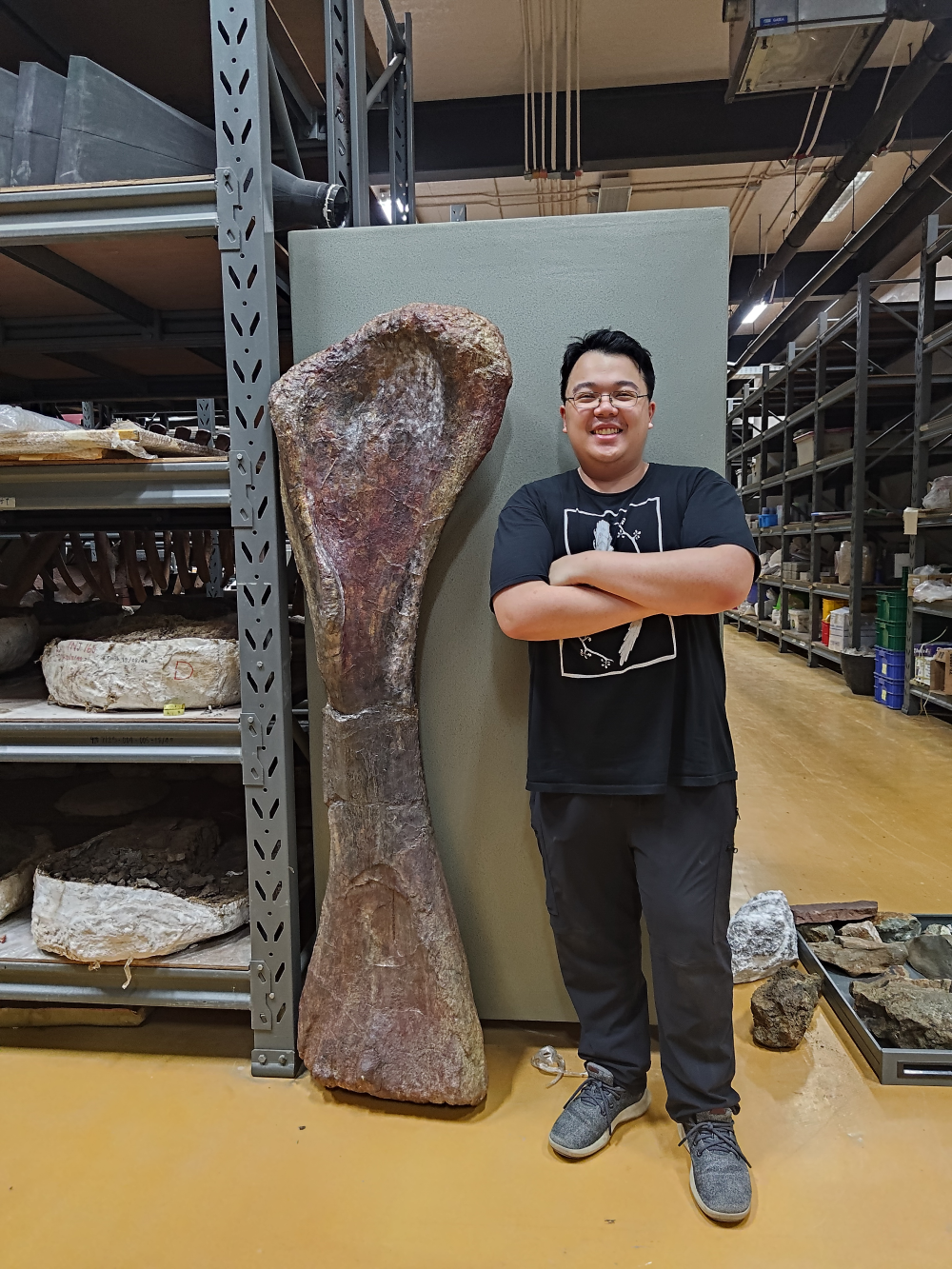
Sethapanichsakul stars in a fantastic photo next to Nagatitan’s 1.78-meter-long (5.4-feet-loog) front leg bone, demonstrating its enormity. He says its position within the rock could mean Nagatitan is the last or most recent large sauropod that will ever be found in Southeast Asia, but that doesn't mean there aren't still plenty more dinosaurs to come from this part of the world.
“My dream is to continue pushing to get Southeast Asian dinosaurs recognised internationally,” said Sethapanichsakul. “More international collaborations between Thailand and other institutions like UCL can further our understanding of the region’s palaeobiology and apply it to a global context. This all starts with identifying and describing the specimens we have found first. We have a large collection of sauropod fossils that have not yet been formally described - these may include a number of new species.”
“I’ve always been a dinosaur kid. This study doesn’t just establish a new species but also fulfils a childhood promise of naming a dinosaur.”
The study is published in the journal Scientific Reports.