Health and Medicine
 PUBLISHED
 1
1






An 11-year-old boy from Ontario, Canada, is the subject of a new medical case report that is equal parts bizarre and tragic. He died of rabies after exposure to a bat that left no apparent bite or scratch marks, sparking calls for increased awareness of rabies risk factors.
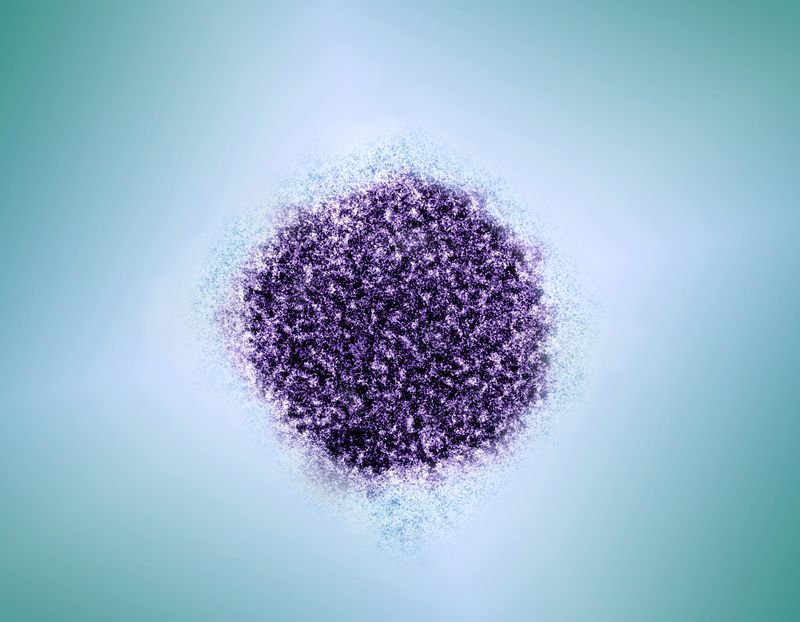
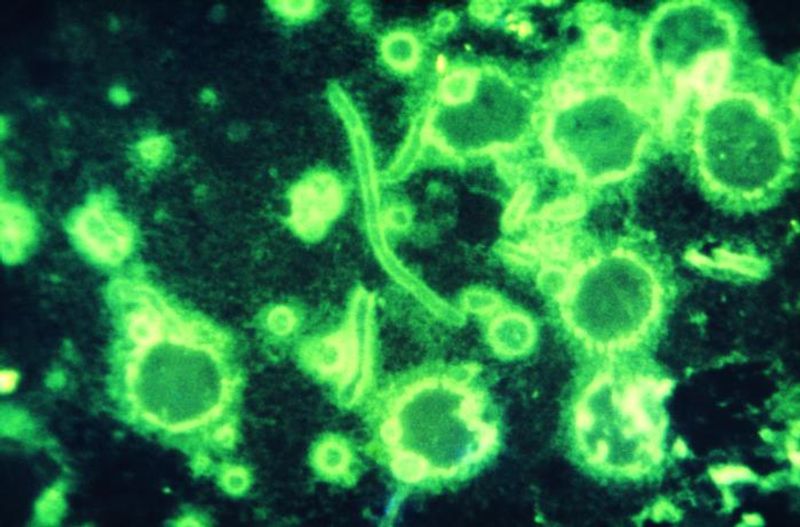
Rabies is among the deadliest diseases known to humanity. Once you begin to show symptoms, the viral infection has a survival rate of almost zero, meaning there’s precious little doctors can offer beyond supportive care.
The incubation period is typically 2-3 months, but it can take much longer for symptoms to appear. They include fever and a prickling or itching sensation at the exposure site, progressing to anxiety, confusion, agitation, hallucinations, and hydrophobia (intense fear of water).
In the newly described case from Ontario, the patient woke up one morning to find a bat sitting over his mouth and nose. There were no signs the animal had bitten or scratched him.
Nineteen days later, he was taken to the emergency room with symptoms including vomiting and a “pins and needles” sensation on his face. The symptoms progressed the following day to include other neurological signs like slurred speech, and his condition worsened upon being admitted to hospital.
“When we saw the patient in the [pediatric intensive care unit], we strongly suspected rabies, given the bat exposure and typical neurologic features,” the medical team wrote.
Other tests for more common conditions proved negative. Some treatment was attempted, but as with the vast majority of cases of symptomatic rabies, it was too late.
“Life-sustaining therapies were withdrawn on day 17 of admission, and he died peacefully with his family at his bedside.”
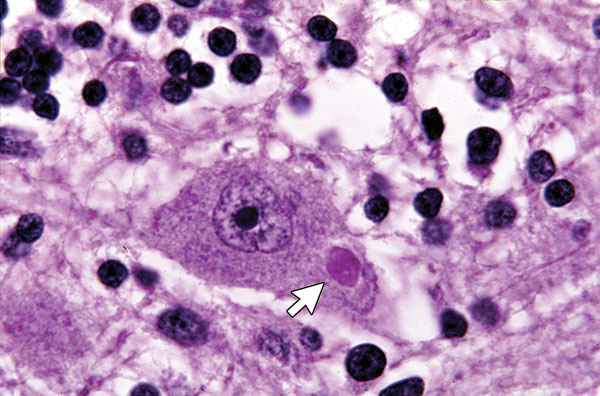
Rabies is most closely associated with dogs, and for good reason – the World Health Organization estimates that 99 percent of human rabies cases are caused by dog bites or scratches. Vaccination has done a huge amount to decrease this risk in North America. But other animals carry the virus too, and a study in 2019 flagged bats as the biggest risk in the US.
It was darkly prophetic, given the details of this new case, that the Centers for Disease Control and Prevention warned at the time that anyone who finds a bat in their bedroom should assume they could have been exposed to rabies.
Canadian government figures show that all human cases of rabies in the country since 1967 have been transmitted by bats. Bat bites and scratches can be extremely small and hard to see, so you may not even realize you are at risk.
“Any direct human contact with a bat, even in the absence of a visible bite or scratch, is an indication for PEP [post-exposure prophylaxis] and should be discussed with public health authorities,” the case report reads.
PEP – a series of rabies vaccines given at intervals over a period of around two weeks after exposure – is extremely effective at preventing rabies infection from taking hold.
The Government of Canada recommends that anyone with possible rabies exposure follow four simple steps:
- Remove any clothing that may have been contaminated with animal saliva, brain tissues, or nervous system fluids.
- Thoroughly clean any wounds with soap and water, and flush wounds with water for at least 15 minutes. If a bat has touched your skin, wash the area even if you can’t see a scratch or bite.
- Collect any contact details from the animal’s owner, if applicable.
- Confine the animal in a room if it’s safe/practical to do so.
You should then seek medical attention immediately to find out if you need PEP.
“The patient we described reported a bat resting on his face, which is an indication for PEP; however, medical attention was not sought because no obvious bite was noted,” the authors write. “This highlights an important gap in public awareness.”
The study is published in the Canadian Medical Association Journal.
The content of this article is not intended to be a substitute for professional medical advice, diagnosis, or treatment. Always seek the advice of qualified health providers with questions you may have regarding medical conditions.