Humans
 PUBLISHED




Polygraph tests are everywhere. They spring up in police interrogations, screenings for government jobs – there are even entire reality TV shows based around the results of a single polygraph. It may surprise you to know, then, that the science behind polygraphs is flimsy at best – so flimsy that they should definitely not be deciding the fate of people convicted of crimes.
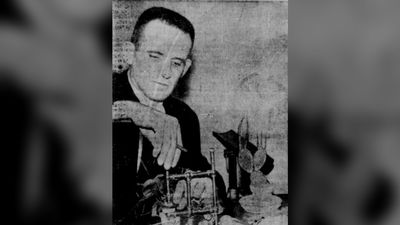
One famous proponent of the polygraph was Grover Cleveland "Cleve" Backster Jr., an interrogation specialist for the CIA during the mid-1990s. He founded the CIA’s polygraph unit shortly after World War 2 and then the Backster School of Lie Detection in 1960 after leaving the CIA, but was most notable for his work with plants.
See, Backster truly believed that plants could feel pain and have extrasensory perception, which he called “primary perception”. What did Backster use to back his claims? A polygraph test on plants, one that produced some seriously strange results.
Polygraph tests - a questionable science
A polygraph test, often called a lie detector test, is a series of physiological readings taken while the subject is asked closed questions. The principle behind the polygraph is that the human body will react in specific ways when lying versus telling the truth, and these changes are detectable by the various instruments attached to the subject’s body. Included in the readings are blood pressure, skin conductivity, pulse, and respiration, with the expectation that the stress of lying may change these metrics.
Plants obviously don’t have a heart rate or blood pressure, but they do have specific conductivities, which can be measured by electrical resistance. Backster used this to perform a polygraph test on a plant leaf, hooking it up to electrodes that would measure any suspected “responses” by the plant to stimuli.
When giving water to a plant, Backster reported readings that resembled those from human skin, which spurred him to try more stimuli to understand the extent of what plants can “feel”. He began burning a leaf, and the polygraph went wild in a way that looked like a stress response.
Sperm can read our minds?
Soon, though, the work got a little out of hand. Backster claimed to have recorded an elevated polygraph when a tiny shrimp died in another room – how could the plant have known that the shrimp was dying? In his expert opinion, the plant had read the human’s intentions through some sort of telepathic ability. Investigating further, he reported that just a small change in emotions could elicit a response from the plants, suggesting they were actively reading our minds. He called this “Primary Perception” and published a paper on it in 1968.
At no point did Backster question the legitimacy of the polygraphs he was conducting; no, he needed to branch out from plants. He experimented on yoghurt, eggs, and even human sperm, and sure enough they could read minds too. Yep, somehow you can polygraph sperm.
His ideas were rejected by the scientific community and a panel of experts questioned everything about his methods, from a lack of controls, to whether a polygraph even works in the first place. Repeated experiments by himself and others failed to provide the same results, suggesting that it may have just been humidity or static at the time of the experiments causing the changes. Mythbusters even did an episode in which they used the exact model polygraph and replicated Backster’s experiments, but they all failed.
He died in 2013 after a long battle with illness, but left behind many publications and a book on his work.
So, next time someone suggests a lie detector or watches an episode of The Jeremy Kyle Show in earnest, try to remember that one of the main developers of the technology thought that yoghurt reads your mind.