Technology
 PUBLISHED
 2
2


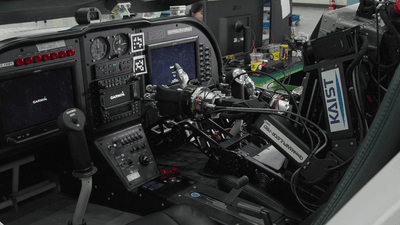


A team of researchers has put together the dream of anyone who has watched sci-fi or Airplane; a humanoid robot that can pilot airplanes.
The robot, known as PIBOT, is designed to sit in existing cockpits and operate them manually, or robutually if you will. Usual autopilots installed on airplanes are software, lacking limbs to move the flight instruments. The advantage of PIBOT, according to the team behind it, is how it can adapt to different cockpits and flight systems without the need to modify the plane.
The robot learns to fly the plane by using natural language processing to read the manual, and can view the cockpit situation using a camera and respond accordingly. The team say that they have demonstrated the PIBOT can control aircraft safely, even during harsh turbulence. They hope to start selling the robot commercially.
"Humanoid pilot robots do not require the modification of existing aircrafts and can be applied immediately to automated flights," Professor David Hyunchul Shim, chief of research on the KAIST School of Electrical Engineering project, said in a press release.
"They are therefore highly applicable and practical. We expect them to be applied into various other vehicles like cars and military trucks since they can control a wide range of equipment. They will particularly be particularly helpful in situations where military resources are severely depleted.”