Health and Medicine
 PUBLISHED
 2
2


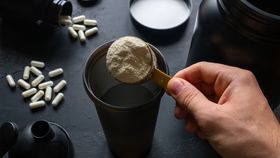


A bunch of prohibited and potentially harmful “experimental stimulants” have been discovered in weight loss or sports supplements bought off the shelf in the US.
The researchers advise consumers to avoid purchasing and consuming products listing deterenol as an ingredient, arguing they may contain a "cocktail" of experimental stimulants – some of which have not been labeled – that have an unknown effect on the human body.
"These hidden stimulant cocktails have never been tested in humans and their safety is unknown," John Travis, study co-author and Senior Researcher at NSF International, said in a statement.
"You never want to find unlabeled ingredients in supplements, but it is especially concerning to find these strange brews of experimental stimulants in products that are readily available in the United States," adds Travis.
As reported in the journal Clinical Toxicology, scientists at NSF International, Harvard Medical School, and Cambridge Health Alliance recently tested 17 brands of supplements listing deterenol as an ingredient sold in the US.
They found nine potentially harmful and non-approved stimulations: deterenol, phenpromethamine (Vonedrine), oxilofrine, octodrine, beta-methylphenylethylamine (BMPEA), 1,3-dimethylamylamine (1,3-DMAA), 1,4-dimethylamylamine (1,4-DMAA), 1,3-dimethylbutylamine (1,3-DMBA), and higenamine.
Many of these products even contained a cocktail of multiple dodgy stimulants: four of the brands included 2 different stimulants, two brands combined 3 stimulants, and another two brands combined 4 different stimulants.
"We're urging clinicians to remain alert to the possibility that patients may be inadvertently exposed to experimental stimulants when consuming weight loss and sports supplements," explains Dr Pieter Cohen, study co-author and Associate Professor of Medicine at Harvard Medical School. "We're talking about active pharmaceutical stimulants that have not been approved by the U.S. FDA for oral use as either prescription medications or dietary supplements. These ingredients have no place in dietary supplements."
Some of the stimulants identified in the study have a chequered history. For example, oxilofrine is a stimulant of the amphetamine class that’s banned in competitive sports by the World Anti-Doping Agency. Back in 2013, US sprinter Tyson Gay and former 100-meter world record-holder Asafa Powell were reported to be among six high-profile athletes to test positive for the amphetamine.
Deterenol appears to fall into a bit of a grey area when it comes to regulations. Although it’s never been approved for use in humans in the US, the new study notes that deterenol has been detected in dietary supplements by chemists at the US Food and Drug Administration (FDA). However, the FDA has not advised manufacturers to remove deterenol from products nor warned consumers to avoid supplements.
In light of their study, the researchers argue their work “raises an additional concern regarding FDA enforcement of the laws regulating supplements in the US.”
“The FDA should warn consumers about the presence of cocktails of experimental stimulants in weight loss and sports supplements and take immediate effective action to remove these stimulants from the market,” the paper reads. “Clinicians should remain alert to the possibility that patients may be inadvertently exposed to experimental and prohibited stimulants when consuming weight loss and sports supplements.”