Health and Medicine
 PUBLISHED




One scientist recently suggested cannibalism might be the way that humanity can survive climate change. We suspect satire, but it seems some of the cells in our bodies are way ahead. Unfortunately, it's the cells we don't want to survive. New research suggests eating other cells could be the secret that allows certain cancer cells to survive the most powerful drugs modern medicine can throw at them.
The side effects of chemotherapy are brutal, but it's an exceptionally effective way to destroy cancer cells while keeping the essential organs of the body alive. Sometimes, however, a small portion of cancer cells manage to evade the chemicals that kill most of their brethren, allowing them to come back, usually with fatal consequences.
Understanding how they do this is key to finding ways to prevent it and saving millions of lives. It's a complex process because not all resistant cancer cells use the same method and we're just starting to understand the diversity of approaches. Dr Crystal Tonnessen-Murray of Tulane University in Louisianna has identified a particularly gory path some breast cancer cells use, which is also adopted by some other cancers.
Despite the great strides that have been made in treating many forms of breast cancer, some have proven more obstinate, including those that have a normal TP53 gene. A normal version of a gene sounds good, particularly considering TP53 codes for a protein that suppresses tumors, and 70 percent of cancers involve mutations in this one gene. However, the other 30 percent of cancers include some with the worst survival rates.
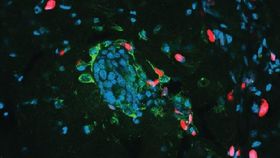
The types of breast cancer Tonnessen-Murray is studying include cells that enter a form of dormancy when exposed to chemotherapy, preventing them from dying, and bounce back when the treatment stops. In the Journal of Cell Biology Tonnessen-Murray reveals that during this stage, known as senescence, the tumor cells often swallow neighboring non-senescent cancer cells.
Tonnessen-Murray has witnessed this occurring in cultured human breast cancer cells, mouse mammary tumors, and certain lung and bone cancers, indicating it could be quite a widespread trait.
The capacity to engulf other cells is an adaptation of processes used by white blood cells to absorb threats such as bacteria for disposal. The consumption of neighbors is associated with longer survival times for these cells, presumably because it provides nutrients to power the cells through the period where normal feeding is interrupted, like lost explorers eating their companions to survive a long winter, and then reboot when the opportunity presents.
"Understanding the properties of these senescent cancer cells that allow their survival after chemotherapy treatment is extremely important," Tonnessen-Murray said in a statement. Exactly how this insight can be used to help those suffering from chemo-resistant tumors remains to be seen, but only by learning these miniature Hannibal Lecters' secrets will we discover how to overcome them.