


 PUBLISHED
 9
9



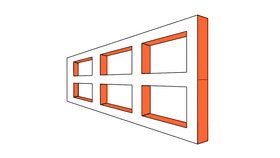


When it comes to optical illusions, you literally can’t believe your eyes – but after the illusion is explained, you can sort of see “the trick” and how your brain was fooled. However, there’s one that continues to baffle many people (but not everyone) even when explained: the Ames window.
The Ames Window has recently found some viral fame on Twitter in a clip from an Australian TV show called The Curiosity Show from the early 1970s.
The phenomenon has received a more in-depth explanation from YouTube sci-comm channel Veritasium, where Derek Muller built a trapezoid so big that he can take the place of the ruler. Even in gigantic proportions, the illusion continues to baffle us.
A little trapezoid flat figure, shaped and shaded to appear 3D. So far so good. Trouble starts when you make it spin. Many people won’t see the figure spin – instead, it appears that the figure is oscillating.
The effect is even more striking when little objects are attached to it. The objects appear to rotate against the spinning window, making the whole illusion even more unbelievable. The most famous example is putting a ruler through it, appearing as if the ruler can magically pass through the object. The reasons why the trapezoid appears to be spinning and not rotating has to do with our inability to correctly assess size and distances.

The creator of the illusion, Adelbert Ames, Jr., is famous also for another optical illusion: the Ames room. This is the weird-looking room that, when seen from a specific vantage point, makes people appear very tall or very short depending on which corner they stand in.
