Humans
 PUBLISHED


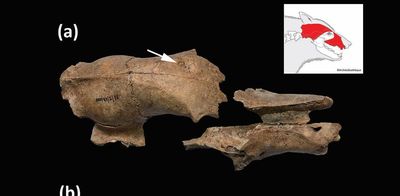


Analysis of a bear skull found at a Roman amphitheater east of Belgrade reveals that while the bear was brown, its fate was grizzly, probably dying from an infected wound. In the process, it provides the first direct confirmation of widespread accounts that bears and gladiators fought to the death for the Romans’ entertainment.
Ancient Roman amphitheaters are notorious for hosting battles to the death and blood “sports” between humans and animals. The presence of lions in the Colosseum is particularly famous. So it would be more surprising if bears were never a feature of Roman entertainment than if they were. Writings and art of the day describe bears being used to fight gladiators, as a brutal method of execution of prisoners, and as trained performers. Despite this, direct evidence of ursine engagement in the era has been lacking.
A fossilized bear skull found at the amphitheater in Viminacium, the only one of its kind within modern-day Serbia, has changed that. Excavation of the site has revealed more than 30,000 animal remains, mostly cattle and pigs. However, remnants of more exotic animals were also found, including some, such as camels, that must have been brought from far afield.
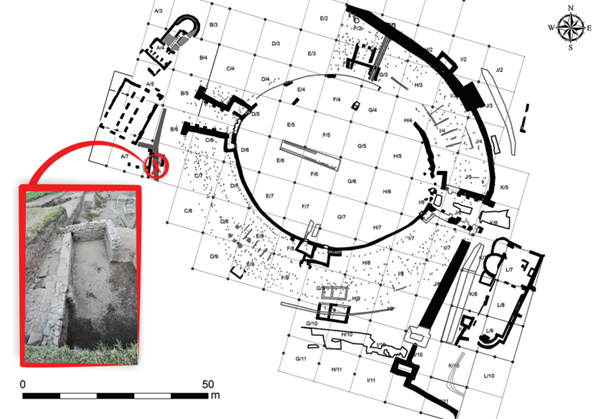
Brown bear fossils make up a ninth of the wildlife fossils found at the amphitheater, much higher than at other sites in the town and region. The most obvious conclusion is that bears were brought to the site for entertainment, but since people also ate bears in those days, their abundance isn’t proof.
However, the skull, extracted in 2016, has now been found to have an oval depression, indicating it suffered an impact fracture, consistent with a blow from a spear. The injury was not immediately fatal. Instead, the bear lived long enough for the wound to partially heal before the site became infected.
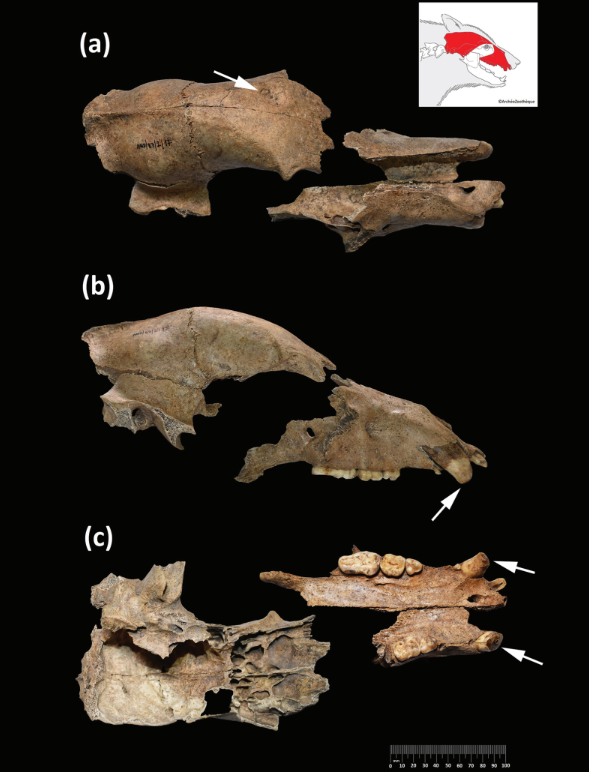
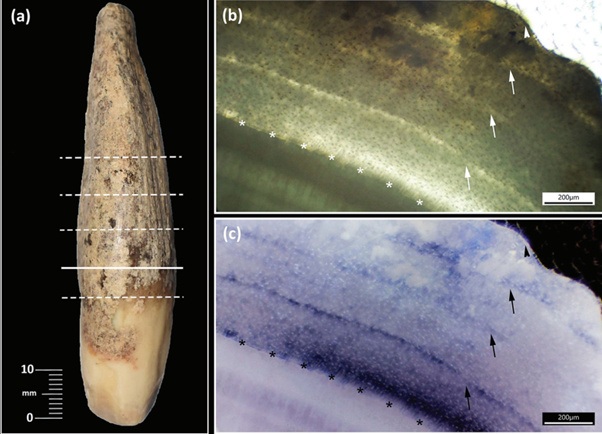
Moreover, teeth still embedded in the jaw are unusually worn given their ages, indicating biting at the bars of a cage over an extended period, which may have contributed to a jaw infection. It’s unlikely an animal would be kept that long purely for the dinner table. Bears were probably hard enough to catch that their value would have been high, encouraging owners to weight the odds in their favor, allowing them to survive, if only barely, long enough to wear their teeth down.
The time at which the skull was deposited is not known directly, but items found in the same layer come from between 240-350 CE, during which time Viminacium became the capital of its province.
It’s easy to think the world is getting worse, but maybe the fact that we find this treatment of animals so revolting shows that over great sweeps of time, our moral sensibilities shuffle forward more than back.
The findings are published in Antiquity.



 8
8