


 Humans
 PUBLISHED


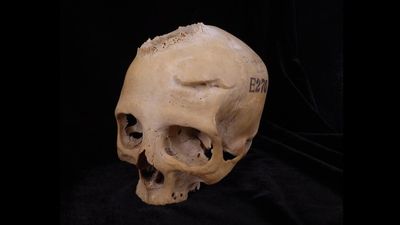


Surgeons in ancient Egypt may have attempted to treat cancer by cutting away tumors on patients’ skulls, new research shows. While observing the cancer-ridden crania of two Egyptian corpses, the study authors noticed cut marks that are likely to have been made by doctors who tried to remove the growths thousands of years ago.
“This is an extraordinary new perspective in our understanding of the history of medicine,” explained study author Professor Edgard Camarós in a statement. “This finding is unique evidence of how ancient Egyptian medicine would have tried to deal with or explore cancer more than 4,000 years ago.”
A wealth of ancient Egyptian texts point towards an intrepid medical tradition as doctors sought innovative cures for tooth decay, physical injuries, and various illnesses. However, given that cancer continues to represent a major hurdle for modern medicine, it’s highly unlikely that the ancients were able to successfully treat the disease. What’s astonishing, though, is that they appear to have made a pretty serious attempt at doing so.
Evidence for this comes from two skulls, the earliest of which belonged to a man in his 30s who lived some time between 2687 and 2345 BCE. This particular cranium displayed a large lesion that is consistent with tissue destruction caused by a cancerous growth, as well as several dozen smaller, metastasized lesions spread across the skull.
Around these smaller injuries, the researchers noticed cut marks that are likely to have been made with a sharp metal instrument, suggesting that they probably resulted from an attempt to surgically remove the tumors.

“It seems ancient Egyptians performed some kind of surgical intervention related to the presence of cancerous cells, proving that ancient Egyptian medicine was also conducting experimental treatments or medical explorations in relation to cancer,” explained study co-author Professor Albert Isidro.
The second skull belonged to a woman who was older than 50 when she died between 663 and 343 BCE, and showed evidence of tissue damage consistent with either bone cancer or a type of tumor known as a meningioma, which occurs in the membranes that surround the brain. This same skull also features a large wound that is likely to have been “produced in the context of a face-to-face frontal attack, with all characteristics of an interpersonal violent event involving a right-handed perpetrator.”
Indications that this nasty injury healed may imply that the woman received some sort of medical treatment that ultimately enabled her to recover and survive, although the researchers are unable to determine the extent of brain damage she may have sustained. Finding such a vicious wound on a female adds another layer of intrigue to this study, as violence-related injuries are typically only seen in males.
“Was this female individual involved in any kind of warfare activities?” ponders study author Tatiana Tondini. “If so, we must rethink the role of women in the past and how they took active part in conflicts during antiquity.”
Exactly how these two ancient individuals met their eventual ends is currently uncertain, and it’s impossible to say if their cancer treatments were successful. However, given the “advanced stage of their malignant conditions,” there’s a pretty high chance that neither survived their illness.
The study is published in the journal Frontiers In Medicine.




 8
8