


 PUBLISHED



As much as it hurts to drag yourself to the gym when all you want is a relaxed night in with Netflix and a glass (or bottle) of wine, exercise might just be the best thing you can do for your health. Previous studies have shown that regular gym sessions can ward off stress, regulate mood, and even make you smarter – and that’s not to mention the physical benefits of doing sport.
Now, a study published in the Journal of Alzheimer’s Disease adds to the growing body of evidence showing that physical fitness can help protect brain health. The results suggest that lower fitness levels speed up the deterioration of the brain’s vital nerve fibers and, therefore, cognitive decline.
For the study, researchers from the O’Donnell Brain Institute at the University of Texas (UT) Southwestern recruited 81 older patients. Twenty-six were “cognitively normal” adults and 55 displayed early signs of Alzheimer’s, including mild cognitive impairment (MCI) and the beginnings of memory loss.
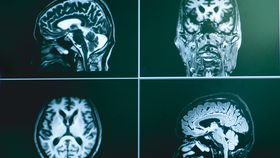
To determine physical health, the team measured their cardiorespiratory fitness using a maximal oxygen uptake (VO2max) test. Brain imaging was then used to measure white matter functionality, and memory and other cognitive tests were conducted to measure brain functionality.
The key seems to lie in the brain’s white matter, the bundles of nerve fibers (or axons) located in the deeper tissues of the brain (aka the subcortical region). The team noticed a correlation between poor fitness and weak white matter – itself, a sign of lower cognitive ability.
“This research supports the hypothesis that improving people’s fitness may improve their brain health and slow down the aging process,” Kan Ding, a neurologist from UT Southwestern's Peter O’Donnell Jr Brain Institute and study author, said in a statement.
The lesson here seems to be that exercising regularly could be a good way to slow down or reduce the effects of Alzheimer’s. More research is needed to work out how much exactly is needed and whether or not it’s too late to intervene once patients have begun showing signs of the degenerative disease.
“Evidence suggests that what is bad for your heart is bad for your brain. We need studies like this to find out how the two are intertwined and hopefully find the right formula to help prevent Alzheimer’s disease,” Rong Zhang of UT Southwestern added.
