Health and Medicine
 PUBLISHED
 3
3



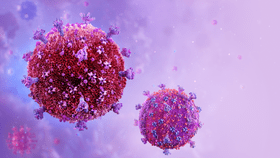


Thanks to the strenuous work of researchers and activists, treatments for the human immunodeficiency virus (HIV) have achieved fantastic results. People living with HIV on effective treatments can no longer pass on the virus (once the viral load is undetectable, it becomes untransmittable or U=U) and drugs can be tailored so they are well tolerated.
What remains elusive is a cure. The massive challenge is due to HIV's ability to hide inside cells, something called HIV latency.
Researchers have found evidence that a cancer immunotherapy drug might be a crucial tool to fight this viral ability, reported in the journal Science Translational Medicine.
The drug in question – pembrolizumab – is already in use. It is a monoclonal antibody that can reverse the “exhaustion” of the immune system, helping to keep killer T cells primed to kill off cancer cells – and it appears it can flush out HIV from its hidden reservoirs.
“In this study, we were able to show that in a cohort of 32 people who have cancer who are also living with HIV, pembrolizumab was able to perturb the HIV reservoir, which is a very exciting result and involved many groups around the world,” co-author Professor Sharon Lewin, Director of the Peter Doherty Institute for Infection and Immunity, said in a statement.
The team found that even just one cycle of the treatment was able to disrupt HIV latency. The effect was even higher after six cycles.
The clinical trial took part across the US through the Cancer Immunotherapy Network, based at the Fred Hutchinson Cancer Research Center in Seattle. The trial was led by the paper lead author Professor Thomas Uldrick, a medical oncologist and expert in cancer immunotherapy.
The team is studying how the immune system in these patients started responding to HIV, beyond just reversing the HIV latency. The drug might induce the killer T-cell to also attack HIV like they attack cancer.
The work could pave the way to a cure for HIV – but it is still very early days, and despite the fact that the drug is approved, it has many side effects. So it’s not just a question of giving it to HIV patients right now.
“It’s not straightforward to bring this approach to the clinic in people living with HIV without cancer,” explained Professor Lewin.
“The side effects of immunotherapy currently are significant, for example, five to 10 per cent of people will get an adverse event. In a cancer setting this isn’t a major concern as you have a life-threatening illness, but in HIV, the situation is very different."
"People can now live normal and healthy lives with HIV, so any intervention for a cure must have very low toxicity."
The team has an approved clinical trial to understand how this drug works in people without cancer. However, it is yet to start due to the COVID-19 pandemic. The researchers hope to understand what is the lowest, safest dose of this drug that can be administered.