


 Nature
 PUBLISHED


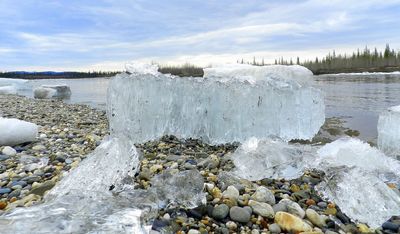


Springtime in Canada. Its large lakes have spent many many months completely frozen, but they are finally starting to thaw. From the shore it may not look like much, but a little prodding reveals that the ice is made up of tightly-packed, vertically floating candle-shaped ice sticks. Not something you see every day.
The rest of this article is behind a paywall. Please sign in or subscribe to access the full content.Candle ice, also known as needle ice, is a form of rotten ice, but that doesn’t sound nearly as appealing. The formation of candle ice starts in winter, when the body of water freezes. The crystallization into sticks is due to supercooling, the cooling of water below freezing without solidifying. Large ice crystals then form very rapidly. Interestingly, the presence of wind during the crystallization can lead to the formation of horizontal candle sticks, making the ice look darker.
Come springtime, melting begins at the border of individual columnar crystals where the ice contains more impurities. This separates the thick ice sheet into a packed mass of candle ice.
To get the beautiful vertical candles you therefore need: supercooling, relatively still water, and the presence of some impurities in the water. That’s why this type of crystallization most often happens in lakes in very cold places: in Canada, Alaska, Lakes Michigan and Superior, Japan, and Russia, like the beautiful Siberian Lake Baikal, the oldest and deepest lake in the world.
Candle ice is also known to make a beautiful clinking sound when disturbed, as if the lake had turned into a floating chandelier. A feast for the eyes and the ears.
Just a word of caution: only explore a lake of candle ice by boat (kayak or canoe), or in a wetsuit if you can brave the cold. Its lack of horizontal structure means it will not support you if you try to walk on it!
Now, go book your tickets to Canada for next spring.



 1
1