


 Space and Physics
 PUBLISHED


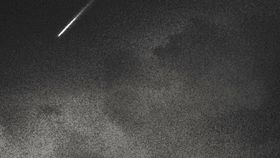


Keep your eyes peeled to the night sky over the coming days and you could be treated to some particularly beautiful celestial fireworks.
The Delta Aquarid meteor shower is "in season". The shower typically peaks on July 28 to 29, but if you’ve missed it then you’ll still be able to see some of the action until around mid-August. It’s best viewed from the Southern Hemisphere, with the meteors mostly appearing directly overhead, although you’ll be able to catch some of the meteors in northern territories too. If you're lucky, you'll be able to witness 10 to 20 meteors per hour, according to Earth Sky.
The early morning hours running up to dawn should be the best viewing times. The skies of early August will also be graced with a waning crescent moon, so the skies are likely to be dark enough to highlight the shower nicely. As ever, it’s best to view the meteor shower as far away from light as possible, so keep your distance from street lamps and city lights if you can. You can also acclimatize your eyes to the low light by being outside in the dark for just 40-odd minutes.
The origin of the meteor shower remains a bit of mystery. As NASA explained in 2014: “The shower results when Earth passes through the debris fields left by two sungrazing comets, Marsden and Kracht, that broke apart in space. The meteor shower gets its name because the radiant appears to originate near Delta Aquarii, one of the brightest stars in the constellation Aquarius.” However, more recently, others have said they come from debris off the comet 96/P Machholz. This comet was only discovered in 1986, yet stargazers have seen the Delta Aquarid meteor shower since the late 19th century.
In general, meteor showers are caused by spits of debris from comets crashing into Earth’s upper atmosphere, where they quickly burn up, giving them that trailing tail you see in the sky.
The Delta Aquarid meteor shower will overlap with the more spectacular Perseid meteor shower in early-mid August. This shower will reach its peak activity between August 11 and 13. This year’s Perseid shower is expected to be even more dazzling than normal, so stay tuned and keep that alarm clock set extra early.
Main image credit: Raymond Fruseth Gangstad/Flickr (CC BY-NC-ND 2.0)


