Space and Physics
 PUBLISHED




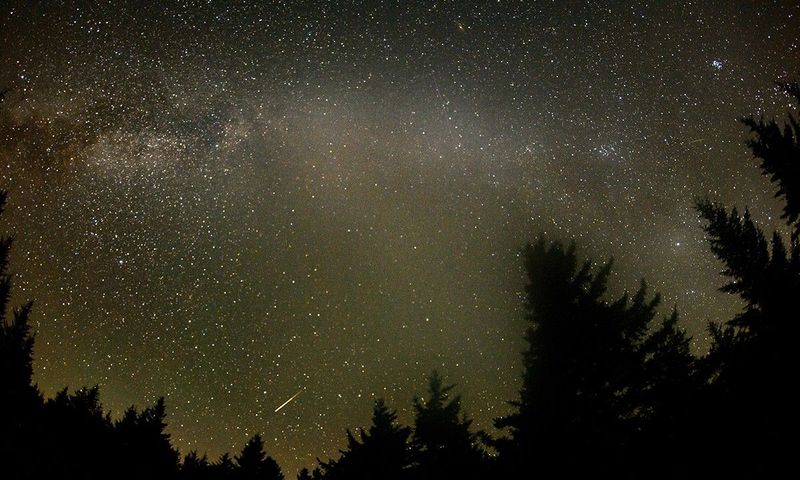
A fireball was observed to travel 460km from near Columbia South Carolina to Chattanooga Tennessee at 8:38 on Thursday May 15. Footage was captured by NASA.
The video doesn't really convey the size, speed and brightness of the object. Most meteors that bring a burst of excitement to our nights are produced by objects the size of a grain of dust. This one is thought to have been about the size of a basketball. Combined with the relatively flat trajectory at which it came in these two factors allowed it to travel an unusually long distance before burning up over the small town of Pikeville, Such behavior classifies a meteor as an "Earthgrazer". It's brightness made it a fireball, a name for meteors brighter than Venus.
Although the timing coincided with a small meteor shower the fireball's flightpath makes clear it was a sporadic, that is not part of a shower. However, it may have had a close companion - less than an hour later a sonic boom was heard over West Virginia, indicating a meteor reached the lower atmosphere.
The speed has been calculated at 124,000km/h, a little below the average speed for objects hitting the atmosphere.