Nature
 PUBLISHED


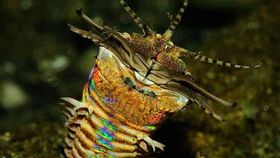


It looks like something out of a science fiction film, but for marine fishes, Eunice aphroditois is all too real. The creature, nicknamed the Bobbit worm, has an armory of ways to kill its prey that includes both slicing them in half (thus the nickname) and injecting them with toxins to make them easier to consume. They are common in tropical waters to a depth of 150m around the world.
In case you're thinking "tough for the fishes, but I've got nothing to worry about," these beasts can grow to three meters long and grab prey larger than themselves. Moreover, some Bobbit worms have accidentally been introduced into aquariums. Since, other than during their lightning fast attacks, they remain submerged within the sand with just their antenna above the surface, this can create mysteries as to what is happening to all the fish and coral.
E aphroditois are polycheate worms, and at a family reunion would not need to feel like the weird cousin - other members include Osedax mucofloris, whose name literally means bone-eating snot flower and Hesiocaeca methanicola, which lives on the methane clathrates that may be about to destroy the global ecosystem.
H/T io9