Nature
 PUBLISHED




The ongoing tensions in Venezuela are bringing about a dark and unusual turn against the country’s biodiversity and conservation efforts.
As Reuters reports from Maracaibo in Venezuela, authorities are investigating the theft of numerous animals from a zoo, believing they might have been stolen for the purpose of eating amid the country’s chronic food shortages.
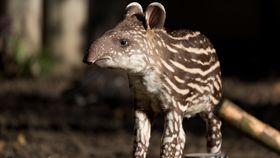
The Zulia Metropolitan Zoological Park says that at least 10 species have been affected by the recent thefts, including buffalo, the wild boar-like collared peccaries, and two tapirs.
The South American tapirs are particularly of concern in terms of conservation. This species, Tapirus terrestris, is native to Venezuela and much of South American but is considered to be vulnerable to extinction and listed on the IUCN Red List. Due to a combination of habitat loss, illegal hunting, and competition with livestock, the health of this species is on a downward slump.
The crisis in Venezuela has recently reached crunch point, as President Nicolás Maduro clings onto office while mounting opposition grows. On top of the ongoing violence hitting the streets, many Venezuelans are facing severe food shortages. One recent project noted a sudden rise of moderate or severe acute malnutrition among children in the past few months.
In light of all this, the police have said they believe the animals were stolen for food. The zoo, however, refutes this.
Leonardo Nunez, the head of the zoo, says that it’s most likely gangs or drug dealers have stolen the precious animals for the purposes of trafficking them. “They take everything here!” he told reporters. “The animals weren't stolen to be eaten.”
The Venezuelan crisis has previously brought trouble to other zoos in the country. At least 50 animals starved to death last year, include Vietnamese pigs, tapirs, rabbits, and birds at a zoo in Caracas, the country’s capital. The LA Times even reported last year that vultures could be seen circling the enclosure of Ruperta, a 46-year-old emaciated African elephant, as zoo staff struggled to find the manpower and food to take care of the animals.
It's fairly common for captive animals to be swept up in wider political problems. Just recently, nine severely ill animals arrived at a rehabilitation center in Turkey after being abandoned and then excavated from a zoo near Aleppo, a focal point of the Syrian Civil War.