Nature
 PUBLISHED


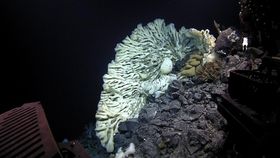


The National Oceanic and Atmospheric Administration (NOAA) have stumbled across a sponge that is 3.6 by 2.1 meters (12 by 7 feet) in size, located some 2,100 meters (7,000 feet) deep into the waters of Papahānaumokuākea Marine National Monument in Hawaii.
The rest of this article is behind a paywall. Please sign in or subscribe to access the full content.Recently released images and footage come from a remotely operated vehicle as part of a NOAA Okeanos Explorer ship expedition that took place in the summer of 2015.
The sponge is also featured in this month’s Marine Biodiversity journal. In the study, the scientists detail how its discovery underscores the need to protect this area of the ocean with strict conservation measures.

Who lives in a pineapple under the sea? NOAA
They might not be lookers, but sea sponges are fascinating creatures. According to genetic analyses by scientists at the Massachusetts Institute of Technology, sea sponges were likely the first animals on Earth, emerging some 640 million years ago. Some scientists even believe that all animal life originated from these humble sponges.
“The largest portion of our planet lies in deep waters, the vast majority of which has never been explored,” said lead expedition researcher Daniel Wagner in a NOAA statement. “Finding such an enormous and presumably old sponge emphasizes how much can be learned from studying deep and pristine environments such as those found in the remote Papahānaumokuākea Marine National Monument.”
When he says old, he means old. Some species of sponges have been recorded to be more than 2,300 years old. Wagner told New Scientist that it’s likely this particular sponge is hundreds, if not thousands, of years old.