


 Nature
 PUBLISHED


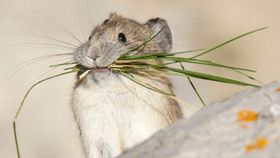


The world needs more cuddly critters, not less. Unfortunately, a new report from the US Geological Society (USGS) has shown that the ridiculously cute creature known as the American pika has a decidedly uncertain future in the US.
The rest of this article is behind a paywall. Please sign in or subscribe to access the full content.These herbivorous mammals, like a cross between a rabbit and a prairie dog, live in the cold mountainous regions of western North America, though a decreasing range due to climate change is rapidly reflecting a decreasing population, the USGS has concluded after a three-year study.
The study, published in the Journal of Mammalogy, adds a strong voice to the conservationists who have been attempting to get the pika onto the official endangered animal list for years, due to concerns about global warming affecting their habitats, making them hotter and drier in the summer and harsher in the winter, with less insulating snow cover.
The US Wildlife and Fisheries Service rejected a request back in 2010, stating that not all populations across the US were in decline. However, researchers are hoping this new study, which found that pikas are only living in 11 of the 29 previously known sites they inhabited in northeastern California, will go some way towards declaring the animal endangered. In Utah’s Zion National Park, they have disappeared altogether.
"The longer we go along, the evidence continues to suggest that climate is the single strongest factor," said Erik Beever, a research ecologist with the USGS and lead author of the study, in a statement.
According to the research, pika population levels in the Great Basin – from Utah's Wasatch Mountains to the Sierra Nevada and Cascade Mountains – are down 44 percent compared to previous studies.
"It's not that they've just moved, they are gone all together," Beever said.


 1
1