Nature
 PUBLISHED


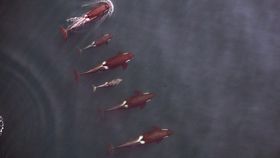


Stunning images from an unmanned aerial vehicle (UAV) have been shot by a group of marine biologists, shedding light on one of the most threatened communities of orcas in the world. This video podcast from the NOAA Fisheries series On the Line talks to population ecologist John Durban about these beautiful and important photographs.
The footage shows orcas from a community known as the southern resident killer whales, which surf the north-eastern Pacific Ocean and spend some of the year along the coast of Seattle. As there are just 81 individuals in the group, they are the only killer whale community that is listed as endangered by U.S. Fish & Wildlife Service. However, they have recently been graced by a baby boom of five new calves. They also obtained images of northern resident killer whales, a community of orcas who face similar challenges to their southern cousins.
Both communities of killer whales prey on chinook salmon for the bulk of their diet. However, this species of salmon is under threat, adding further strain to the communities' survival. The project – a collaboration between NOAA Fisheries and Vancouver Aquarium – recorded the length and width of the killer whales, in the hope of seeing whether they’re getting enough to eat. In addition, it illustrated some of the highly intelligent and sensitive behavior that characterize orcas.
The UAV hovered at least 90 feet above the whales at all times to avoid disturbing them; keeping in line with the regulations set by the NOAA Fisheries and the Federal Aviation Administration.