Nature
 PUBLISHED
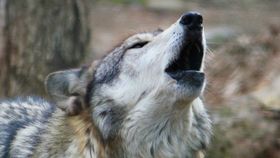


It seems like nobody likes a top predator. Sharks seem scary and people believe they have healing properties, so they’re being heavily hunted. Big cats like leopards and tigers are hunted for their skins and whiskers, in addition to suffering tremendous amounts of habitat destruction. What happens when you eliminate a top predator? The delicate balance that exists in almost every ecosystem is disturbed and the next organism down on the food chain proliferates unchecked. With a booming population, all organisms beneath it suffer.
While scientists have pointed to the negative effects of the decline or loss of a top predator for years, it isn’t very often that we can observe the opposite and watch a predator reclaim territory and restore order. That’s exactly what happened at Yellowstone National Park when gray wolves were put back into the environment to “rewild” the area nearly 20 years ago.
The wolves didn’t only cull the out of control elk population in the park, but they actually restructured where animals lived. This has allowed previously suffering species of both animals and plants to flourish within a few short years.
Check out this video which showcases how important top predators are to creating a healthy, balanced ecosystem.
Side note: The British narrator refers to the Cervus canadensis shown in the video as “deer” meaning “red deer,” though Americans refer to the species as elk. When Brits refer to elk, they typically mean Alces alces, which Americans call moose.