Nature
 PUBLISHED




Scientists have found the first evidence that shows microplastics are ingested by deep ocean animals, revealing just how far-reaching the effects of plastic pollution are and the damage it is doing to deep marine ecosystems.
Researchers from the Universities of Bristol and Oxford discovered microfibers in the stomachs of deep-sea marine creatures at a depth of up to 1,800 meters (5,900 feet), the first time microplastics have been shown to be ingested at such a depth. Their results are published in the journal Scientific Reports.
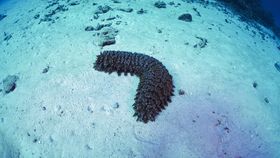
While studying ocean floor sediment for evidence of microplastics, they decided to also study the marine life interacting with it. They were surprised to find evidence of multiple fibers including polyester, nylon, and acrylic inside hermit crabs, squat lobsters, and sea cucumbers found on the sea floor.
“Given that animals interact with this sediment, such as living on it or eating it, we decided to look inside them to see if there was any evidence of ingestion,” explained lead author Dr Michelle Taylor of Oxford University in a statement. ”What's particularly alarming is that these microplastics weren't found in coastal areas but in the deep ocean, thousands of miles away from land-based sources of pollution."
Billions of microplastics – defined as particles under 5 millimeters (0.2 inches) in size – such as microbeads used in exfoliating skin products and microfibers from synthetic fabrics, are flushed into the sea every day. Recent studies have shown that a single wash cycle in a domestic washing machine can release around 700,000 microparticles, while a single shower can result in 100,000 microparticles entering the ocean.
Both the US and UK are scheduled to ban microbeads in 2017, with scientists issuing a stark warning at the start of this year when they revealed that all plastic in the ocean could outweigh fish by 2050.
According to this latest study, “ingestion of plastic debris or entanglement has been recorded in 44-50% of all seabirds, sea snakes, sea turtles (all species), penguins, seals, sea lions, manatees, sea otters, fish, crustaceans and half of all marine mammals.”
This is, however, the first time it has been proven that microplastics are being ingested by organisms and affecting ecosystems in remote deep ocean locations.
As co-author Laura Robinson from Bristol's School of Earth Sciences put it: “[this is] a real reminder that plastic pollution has truly reached the furthest ends of the Earth."