Nature
 PUBLISHED


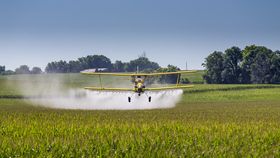


In the first – and most likely the last for a while – report on the effects of pesticides on endangered species in the US, the Environmental Protection Agency (EPA) has concluded that pretty much all of them are in danger from two common compounds.
The EPA has been carrying out the first nationwide assessment of the effects of three pesticides – malathion, chlorpyrifos, and diazinon – on federally endangered and threatened species, with the aid of the US Fish and Wildlife Service and the National Marine Fisheries Service.
Their “biological evaluations” report, which was released Wednesday, found that of the 1,800 species of animals and plants currently listed under the US Endangered Species Act, 97 percent of them are likely to be harmed by malathion and chlorpyrifos, while 78 percent are likely to be adversely affected by diazinon.
The report was designed to identify mitigation measures and to help ensure that the use of pesticides in agriculture will not harm any endangered species in the US.
"The US Fish and Wildlife Service and the National Marine Fisheries Service will incorporate the analyses and data from EPA's biological evaluations into their final Biological Opinions for each of the three chemicals," the EPA said in a statement.
All three pesticides are organophosphates, the most widely-used toxic insecticides in the US. Chlorpyrifos acts as a poison on contact and is currently under consideration to be banned for use on food crops in the US. Diazinon is a vegetable and fruit compound that has been banned for residential use since 2004, and malathion is the most heavily used organophosphate insecticide in the US. Both have been linked as probable carcinogens by the World Health Organization.
“We're now getting a much more complete picture of the risks that pesticides pose to wildlife at the brink of extinction, including birds, frogs, fish, and plants," Nathan Donley, a senior scientist at the Center for Biological Diversity, said in a statement. "The EPA is providing a reasonable assessment of these risks, many of which can be avoided by reducing our reliance on the most toxic, dangerous old pesticides in areas with sensitive wildlife."
Donley added: "The next step will hopefully be some commonsense measures to help protect them along with our water supplies and public health.”
With the incoming White House administration making its opinions on endangered species clear and a new head of the EPA due to take over any day now, we wouldn't bank on the results of this report being heeded or positive action being taken anytime soon.