Nature
 PUBLISHED


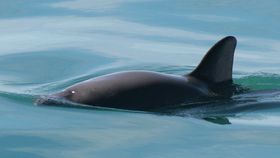


The world’s smallest porpoise, the vaquita, is headed straight down the path of extinction.
In 1997, there was thought be around 570 vaquitas, but by 2008, this figure had shrunk to 250. Now, it is estimated there’s around 60 left – that’s a 92 percent decline in less than 20 years. According to a recent report set up by the Mexican government, scientists estimate the critically endangered porpoise will be extinct within five years if these trends continue.
The vaquita (Phocoena sinus) lives in the northern part of the Gulf of California. These marine mammals can grow to just under 1.5 meters (5 feet), hence how they got their name, which means "little cow" in Spanish.
“We are watching this precious native species disappear before our eyes,” Lorenzo Rojas-Bracho, chair of the International Committee for the Recovery of the Vaquita (CIRVA) and co-chief scientist of the survey, said in a statement.
So, what’s behind this dramatic decline? The report concluded that illegal fishing was the prime cause.
Fishermen in the Gulf of California commonly use gillnets to poach an endangered fish called the totoaba. The use of gillnets has been banned in the gulf, after an “emergency” bill was put in place in last year. However, many fishermen break the law since the swim bladder of the totoaba is in such high demand in China, often selling for thousands of dollars per kilogram. After getting caught in these invasive nets, the vaquitas can sustain injuries and drown. In March alone, three vaquitas were found entanglement and dead in gillnets.
Officials are calling for tighter enforcement of these current laws and hope to establish a permanent ban on the use of gillnets before it’s too late. Already, the Agency of Environmental Protection, the Navy of Mexico, the Federal Police, and the Department of Fisheries, have intensified the surveillance operations to tackle the organized crime that surrounds the trafficking of protected marine species in the area.
“The Mexican government must ban all fishing within the vaquita’s habitat now and until the species shows signs of recovery. Anything else is just wishful thinking,” said Omar Vidal, CEO of the World Wildlife Fund Mexico.
He added, “We can still save the vaquita, but this is our last chance."