Nature
 PUBLISHED


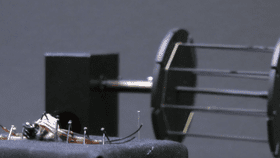


Whether you love them or hate them, there’s no denying spiders are amazing architects. But how do scientists study the chemistry, physics, and biology behind their incredible building materials?
Image credit: Oxford Silk Group/Youtube
The short video below shows scientists from Oxford Silk Group collecting the silk from a Golden Orb Weaver (Nephila edulis), which can create six different types of silk. Using this delicate process, they can harvest up to 80 meters (262 feet) of silk. The silk produced in this video is mainly dragline silk from the spider's major ampullate gland, which is a bit like the outer “scaffolding” of a web, and minor ampullate silk, which is used to make the finer spiral of the web.
Image credit: Oxford Silk Group/Youtube
And don’t worry, no spiders were harmed in the making of this film. The spider is first sedated with carbon dioxide gas and held in place with pins that don’t harm them.