


 Health and Medicine
 PUBLISHED


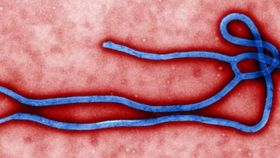


The World Health Organization (WHO) last week convened a meeting of scientists from a range of fields including virology, microbiology and clinical medicine, with the aim of identifying five to ten emerging pathogens likely to cause serious outbreaks in the near future. As a result of the convention, which was held in Geneva, the group has now compiled a list of eight diseases that it suggests should be prioritised by those conducting research and development into the prevention of major outbreaks.
According to Science Insider, the initiative was launched in response to widespread criticism of WHO’s initial response to the Ebola outbreak in West Africa, with one independent panel claiming that the organization was too slow to put measures in place to halt the spread of the disease. To prevent a repetition of the destruction caused by the Ebola crisis, WHO is now recommending that more be done to develop treatment programs before outbreaks occur, rather than waiting until an emergency to begin conducting research. In particular, it has called for priority to be given to the eight pathogens identified by the panel in Switzerland.
The Lassa virus, which is prevalent in West Africa, is also included on the list. Though rarely fatal under normal conditions, if contracted by pregnant women death or foetal loss occurs in over 80 percent of cases.
Ebola is another of the pathogens identified by the panel as worthy of priority, as are SARS and MERS, both of which are viral respiratory diseases, and the latter of which has a 36 percent fatality rate.
In addition, the panel has suggested that Rift Valley fever, which can be transmitted by livestock or mosquitos, be included on the list. Though its symptoms are usually mild, a minority of infections result in serious problems such as brain inflammation. Finally, the team have identified Nipah – which has been detected in parts of Asia and generates a range of neurological complications – as worthy of priority by those conducting research and development into the prevention of major outbreaks.
All eight pathogens were selected for their potential to cause serious outbreaks in the near future, combined with the relative paucity of available treatments. For this reason, diseases that currently receive a great deal of attention and funding, such as HIV/AIDS and malaria, were not included.
WHO is now recommending that treatment programs be developed for all eight pathogens, so that these can be rolled out immediately in the case of an outbreak. Such initiatives, it claims, should be directed towards the generation of vaccines as well as improved diagnostic techniques and behavioral responses, which must be adopted when cases of infection are first detected.




 1
1