Nature
 PUBLISHED


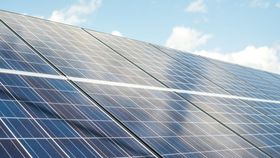


What happens when a country wants to boost their generation of solar power, but doesn't have enough land for the number of panels needed? Well, the Japanese, among a few others, have been developing a novel solution: float them on large reservoirs. This week saw the country begin construction of the largest floating solar farm in the world, in which panels will eventually cover a 180,000 square meter area (2 million square feet), and with an aim of producing enough electricity to power 5,000 local homes.
When it reaches completion in 2018, the Yamakura dam floating power plant will have a total output of 13.7 megawatts (MW) from 51,000 panels. Despite breaking records on water, this figure falls way short of the record for land-based photovoltaics, with the current record breaker there being the Solar Star power station in California, churning out an impressive 579 MW, powered by 13 square kilometers (5 square miles) of solar panels.
Japan has seen a recent rise in the use of renewable energy sources, after the Fukushima disaster in 2011 meant all nuclear power plants were shut down. This led to a massive increase in the burning of fossil fuels to meet the nation’s electricity demand, heavily impacting Japan’s climate and carbon output commitments. In the face of this, there has been an increased interest in green energy.
This isn’t the first floating solar farm in Japan, as there are currently several others already up and running in the mountainous, space-starved country. The technology used is not anything new, it is readily available and accessible, so whether it will catch on in other countries remains to be seen. While it is still cheaper to build them on land, this is not always an option for those with limited space to do so.