Nature
 PUBLISHED


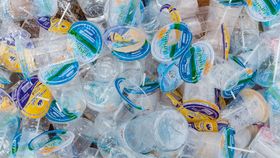


Au revoir, plastique! France is becoming the first country to ban all plastic plates, cups, and eating utensils.
By 2020, all single-use cutlery will have to be made out of biologically-sourced materials that can be composted, under a recently enacted French law. This plastic ban was reportedly “hidden away” in a bill that passed in summer 2015 but came into effect last month, The Local reports.
The idea was proposed by the green political party in France, Europe Écologie – Les Verts. The original plan was to enforce the law by 2017, however Environment Minister Segolene Royal thought the ban could be “antisocial”, saying that lower-income families rely on plastic cutlery, according to the Associated Press. The French government has made no clear public announcement about the plan.
The move is part of the French government’s project to transition to green energy. Their new set of laws also aims to cut landfill waste by half by 2025, a 30 percent cut in fossil fuel consumption by 2030 compared to 2012 levels, and a 40 percent cut in greenhouse gas emissions by 2030 compared to 1990.
In July, France also banned plastic bags from supermarkets, shops, and markets that were thicker than 50 microns (0.05 millimeters).
Earlier this year a report claimed that the plastic waste in the ocean will outweigh fish by 2050 in a “business-as-usual scenario”, which is around one garbage truck full of plastic being dumped into the sea every minute. Much of this is single-use consumer goods and plastic packaging.
However, not everybody in France is happy about the bill. While it might be good news for the environment, manufacturers are arguing it breaks European Union laws on the free movement of goods and, obviously, will damage their trade.
"We are urging the European Commission to do the right thing and to take legal action against France for infringing European law. If they don't, we will," Eamonn Bates, secretary general of Pack2Go, a convenience packaging association, told the Associated Press.