


 PUBLISHED


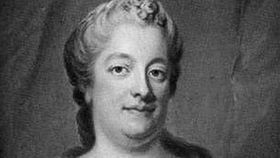


Today's Google Doodle celebrates the life of Countess Eva Ekeblad, a Swedish scientist and agronomist, on her 293rd anniversary of her birth. She’s not a household name unfortunately but she was the first to make flour and alcohol out of potatoes. Yup, vodka exists thanks to her.
Her research made potatoes extremely popular in Sweden. Alcohol at the time was mainly made from grains, so the introduction of alcohol made from tubers actually led to an improvement in the eating habits of the general population by freeing up the grains. The supply of wheat, rye, and barley to make bread instead experienced a significant increase after the work of the countess. This important change in lifestyle reduced the frequency of famines in the Scandinavian country.
She was only 24 when she submitted her discoveries to the Royal Swedish Academy of Science. Two years later, in 1748, she became the first woman to become a member of the Academy, although three years later she was demoted to an honorary member, instead of full membership, because she was a woman.
Her work with potatoes also found application in cosmetics, where she was able to replace dangerous ingredients in beauty products with potato flour. She also discovered a way to bleach cotton and textile with soap.
In life, she was renowned for her work and many achievements and it is only fair that we remember and celebrate her contribution to science.
And cocktails.

