Space and Physics
 PUBLISHED


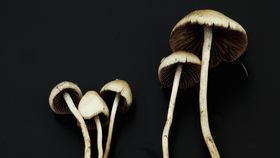


Once the stuff of shamans and stoners, "magic mushrooms” are once again back in the lab. Scientists have now found the “recipe” of psychedelic psilocybin mushrooms, shedding light on the compounds responsible for their famous psychedelic effect.
Understanding this biochemical process could help pave the way for cheaper, mass-produced compounds, making it easier for scientific and pharmaceutical studies to delve deeper into this fascinating fungus.
The new study, published in the journal Angewandte Chemie, identified four keys enzymes involved in the biosynthesis of psilocybin. Scientists at the Friedrich Schiller University Jena in Germany determined this by sequencing the genomes of two psychedelic mushroom species, Psilocybe cubensis and Psilocybe cyanescens.
There are actually many species of “magic mushrooms” in the genus Psilocybe (and over a dozen other genera) that naturally produce psilocybin, the psychoactive ingredient that causes their famous perception-bending effects when ingested.
The new analysis reveals the numerous steps behind the enzymatic production of psilocybin, kind of like a “recipe” of the compounds, and the genes that code for it.
The four-step process identified a newly discovered enzyme that removes carbon dioxide from tryptophan, an enzyme that adds a hydroxyl group, an enzyme that catalyzes phosphorylation, and an enzyme that aids amine methylation. The genes behind this process were confirmed using specially engineered microbes.
Simple, right?
“Our knowledge of the biosynthesis of fungal natural products has lagged behind our understanding of the corresponding bacterial biosynthetic pathways owing to a number of unique challenges,” Courtney Aldrich, a medicinal chemist at the University of Minnesota who was not directly involved in the study, told Chemical and Engineering News.
When you think of magic mushrooms, you probably think of college kids in tie-dye t-shirts and Timothy Leary. However, there’s been renewed scientific interest in psilocybin over the past decade, particularly in regards to mental health. Earlier studies have shown that magic mushrooms can be wrangled to treat severe depression, deal with "existential anxiety", and even help people kick cigarettes. As illicit drugs go, they are also relatively safe.
This new research means bio-engineers could someday mass produce the useful compounds of Psilocybe mushrooms in a petri dish, allowing them to keep up with the stringent quality controls needed for pharmaceutical research to really get going.