


 PUBLISHED
 1
1


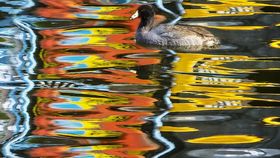


Perception is a fickle thing. As good as our senses are at keeping us alive, they can often mislead and deceive us. Here’s a great example of that which you can try at home, featured in the new BBC Four series, Colour: The Spectrum of Science.
Check out the video below, follow the instructions and see a black and white image turn into a full-color image of a landscape.
It’s all to do with our cone cells, one of the two types of photoreceptors within our eye’s retina, which are responsible for color vision. We have three types of cones, which are sensitive to blue, green or red wavelengths of light. When we’re exposed to a lot of one color, that particular type of cone gets overstimulated and becomes “tired” and unresponsive. This leaves you temporarily with the use of only your other two types of cone, which show the opposing “complementary” color (i.e red versus green and blue versus yellow). After a few seconds, the cones “recharge” and you’re able to perceive that color again.
Main image credit: Bill Gracey/Flickr. (CC BY-NC-ND 2.0)
